

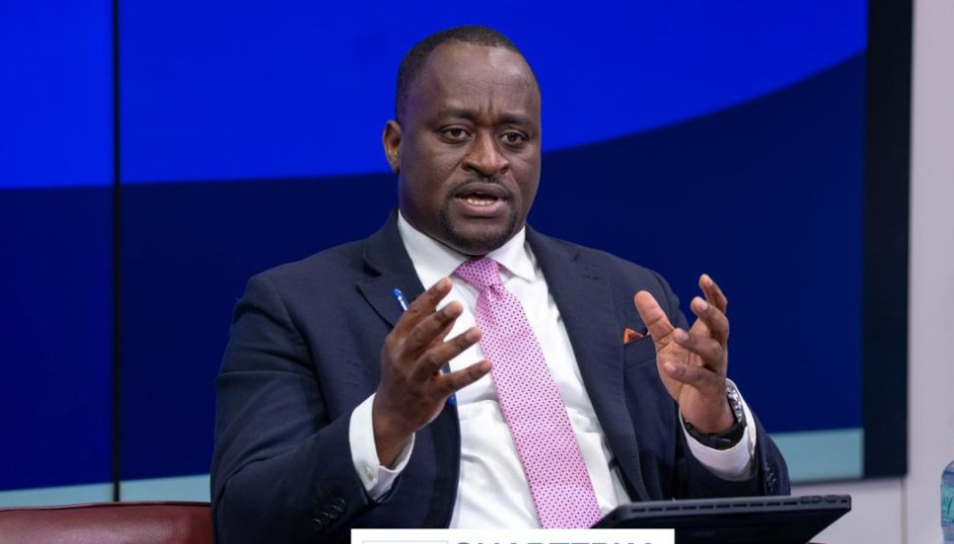
Dr Theo Acheampong, Technical Advisor at the Ministry of Finance, says Ghana is beginning to see signs of macroeconomic stability returning, with improvements in inflation, interest rates, and overall economic confidence.
Speaking at the quarterly Economic Outlook on Channel One TV on Monday, April 27, on the theme “Taking Stock – Ghana’s Economic Turnaround: What Changed & What Comes Next?”, he identified interest rates, inflation, and confidence as the key factors shaping economic behaviour at the grassroots level.
“For my grandmother in the village, for the trade people who are here, often three things are key to them, which are interest rate, inflation, and confidence,” he said, adding that a central concern is whether people can trust that borrowing will generate returns.
Dr Acheampong said the pace of economic change in recent months is unusual when compared with typical economic cycles.
He said Ghana, however, is beginning to see results much earlier, within about 18 months, pointing to significant gains in the external sector.
According to him, the country’s current account balance has improved substantially, rising to about six times its previous baseline level.
Dr Acheampong also highlighted developments in the foreign exchange market, saying that for the first time in over 30 years, the cedi is recording a sustained appreciation trend.
“For the first time in over 30 years you have a sustained appreciation of the cedi,” he said, adding that this has occurred even amid global pressures, including the ongoing war in the Middle East.
He further noted that despite these external shocks, the relative stability of the exchange rate has helped ease pressure in the domestic economy, including reducing panic demand for fuel.
“We still don’t see people actually queuing up at the pumps looking for petrol to buy because one thing is very important in all of this, which is the stability that the exchange rate has brought,” he said.

