

The long-awaited single currency for the West African sub-region, the ‘ECO,’ is an achievable goal. However, member states must first achieve significant economic harmonization before its introduction.
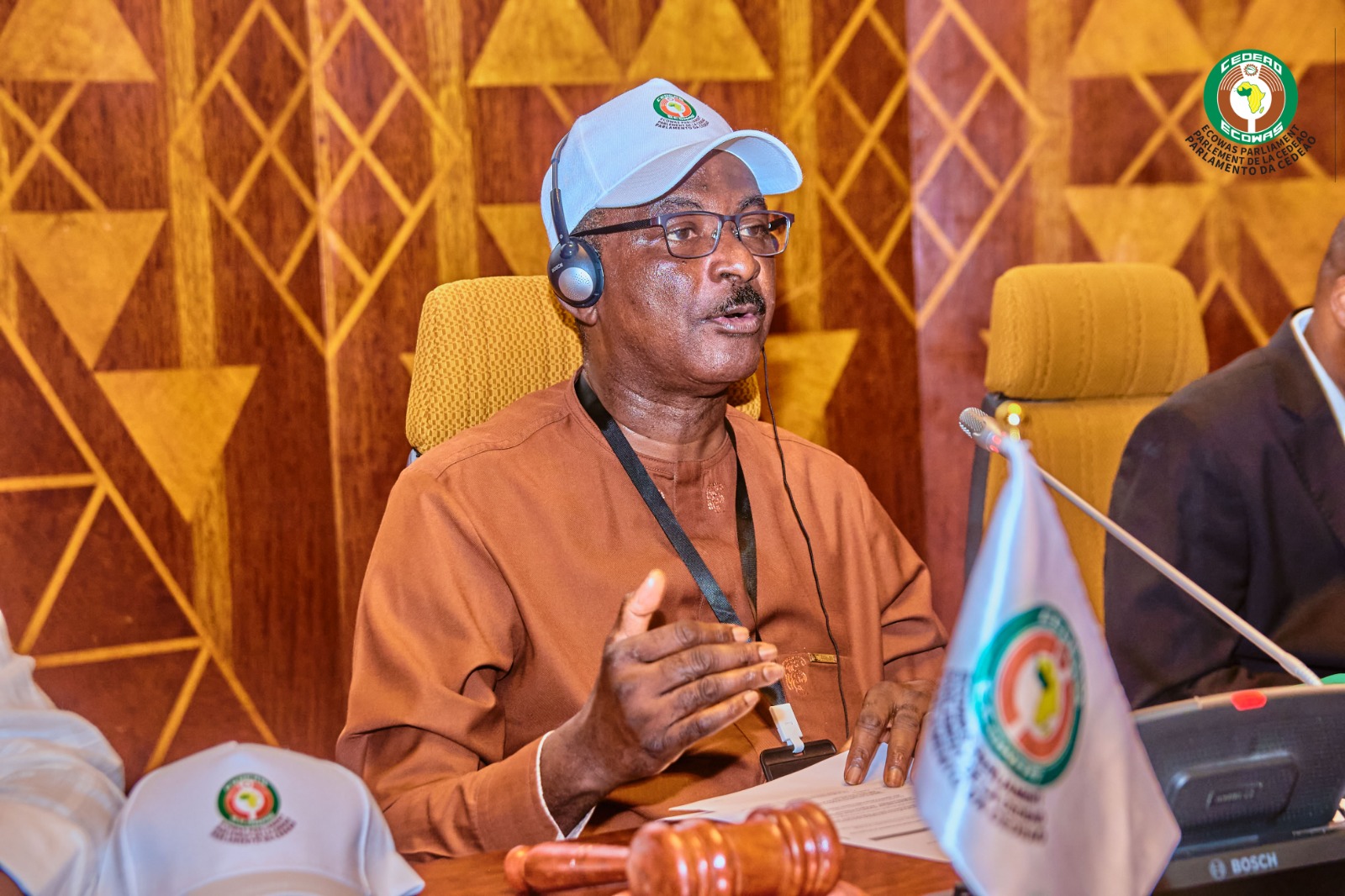
This is according to George Kweku Ricketts-Hagan, a former Deputy Minister of Finance and the current head of Ghana’s delegation to the Economic Community of West African States (ECOWAS) Parliament.
Speaking in an interview, Mr. Ricketts-Hagan addressed skeptics who doubt the feasibility of a shared currency. He pointed to the differing monetary landscapes within the region as a primary challenge, noting the divide between Francophone and Anglophone member states.
“A careful look at the sub-region shows that Francophone countries, historically supervised by France, already share a common currency—the CFA franc. However, that is not the case for the Anglophone member states,” he explained.
Despite these differences, Mr. Ricketts-Hagan stressed that a single currency is not a pipe dream, citing the European Union as a key example. “The Europeans have proven that you can have a single currency, but it comes with many prerequisites. We need to work together. We need harmonization of our financial systems and our tax systems first,” he stated.
He emphasized that several factors must align, particularly the convergence criteria set by the regional bloc. This requires member states to establish and meet specific economic parameters.
“We need to set up parameters where inflation across member states is managed, where interest rates align, and where all these macro-economic indicators are brought in line,” he said. “If we are operating different systems with different budget deficits, revenues, and expenditures, we will not achieve the convergence we need. We would have different deficits in different member states, which would not give us the harmonization required to operate a single currency.”
Mr. Ricketts-Hagan advocated for a gradual, methodical approach, warning against the tendency to rush.
“We need to concentrate on taking it step by step. Sometimes we try to do everything at once and we get into problems because we don’t have the structure to build on. We need to build the base first,” he said.
He used an analogy to illustrate his point: “A single currency at this stage is not necessary. What is necessary is to build the harmonization of our economy. It is like having your cake done before you put the icing on it. You do not put the icing on first before the cake—but that is what we often do in Africa.”
Challenges with Free Movement
Mr. Ricketts-Hagan also touched on the difficulties of implementing the free movement of goods and services, a key component of regional integration under the African Continental Free Trade Area (AfCFTA).
“We go and ratify a lot of laws. We have come together to fashion out all these nice ideas about free movement, and member states have ratified them. But implementation has become difficult,” he noted.
He pointed to inconsistencies at border posts as a major bottleneck. “The people who secure our borders have different interpretations of the very things we have already signed up to, which should make it easy for our people to move back and forth”.

